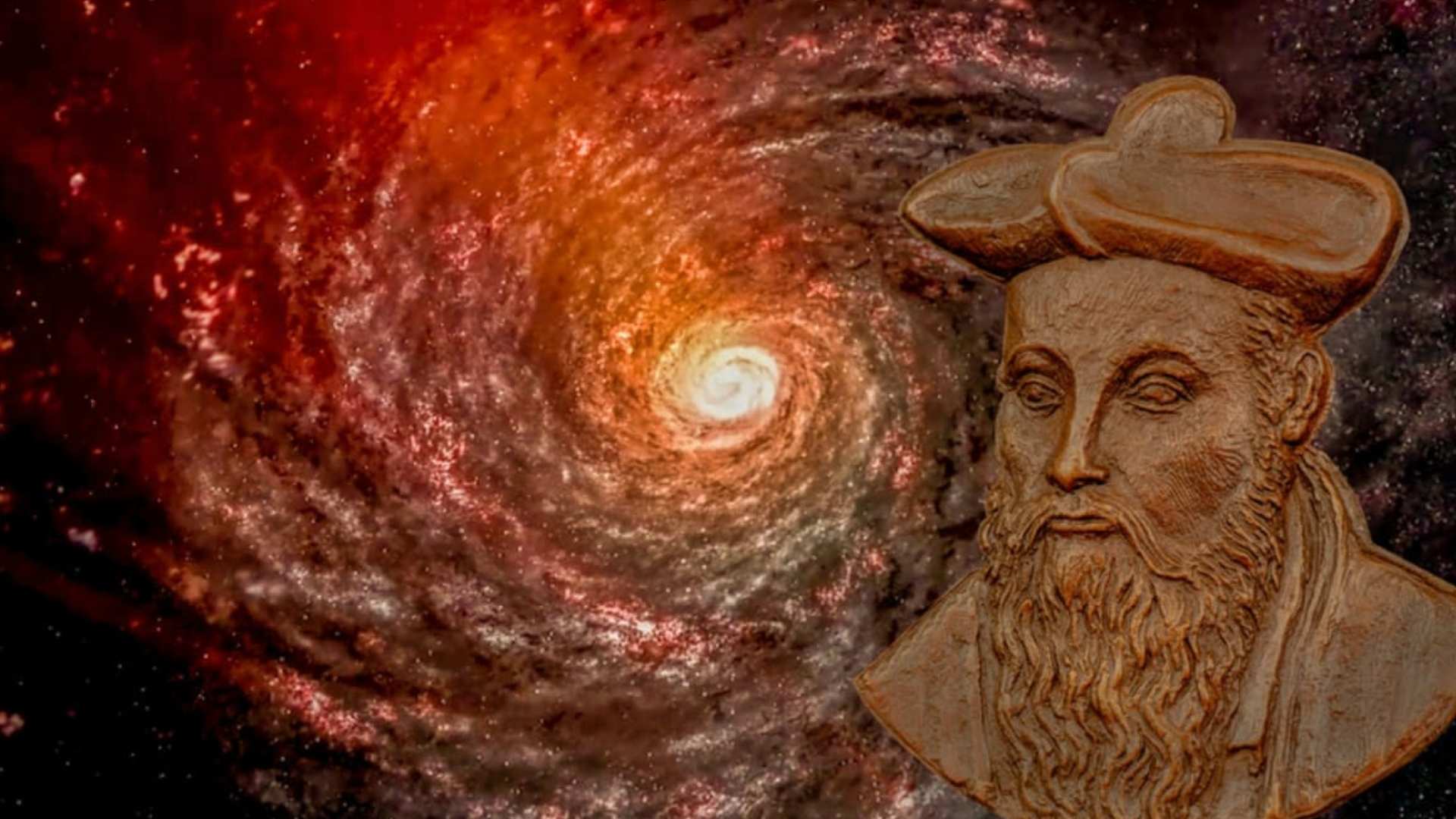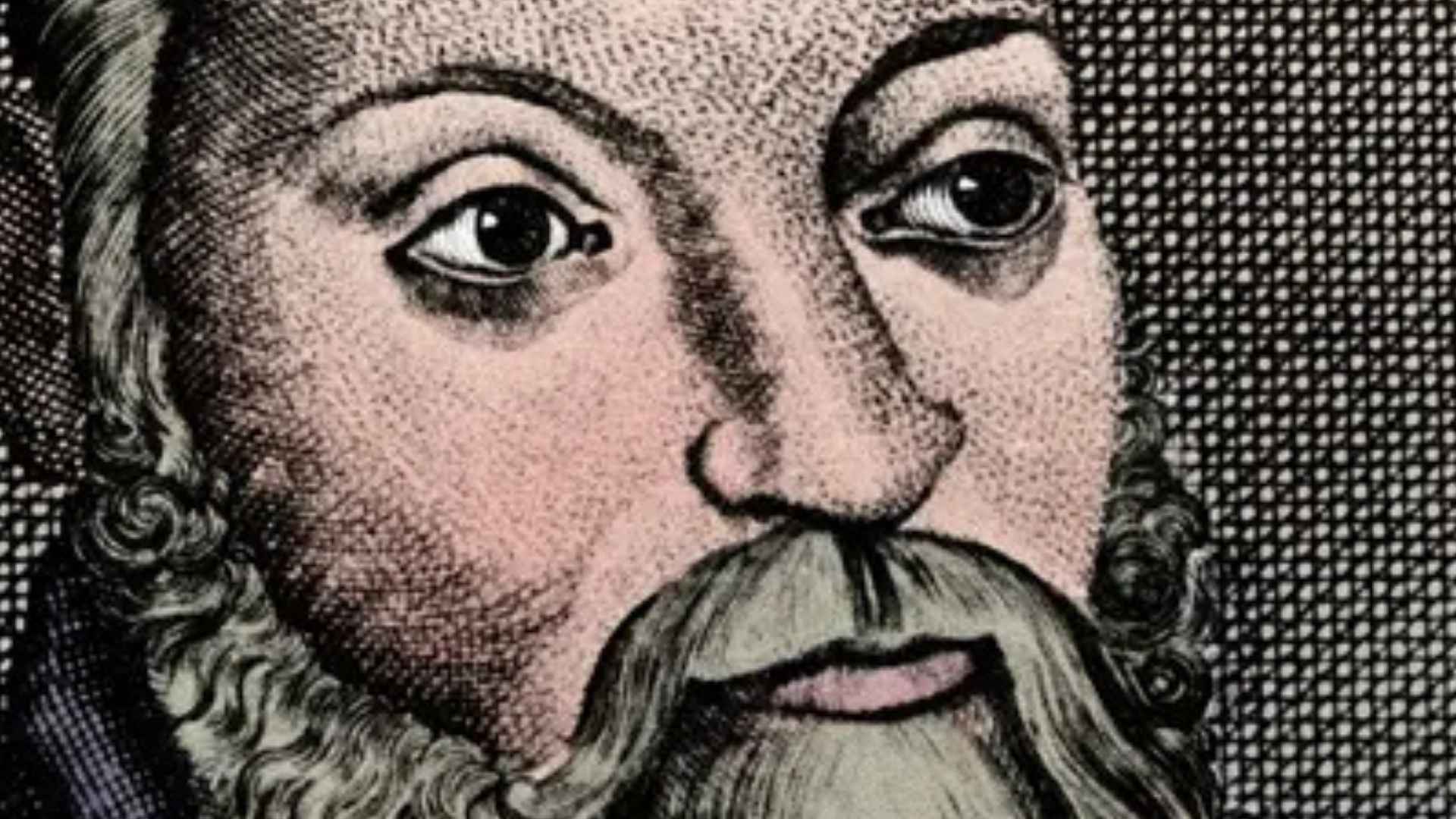
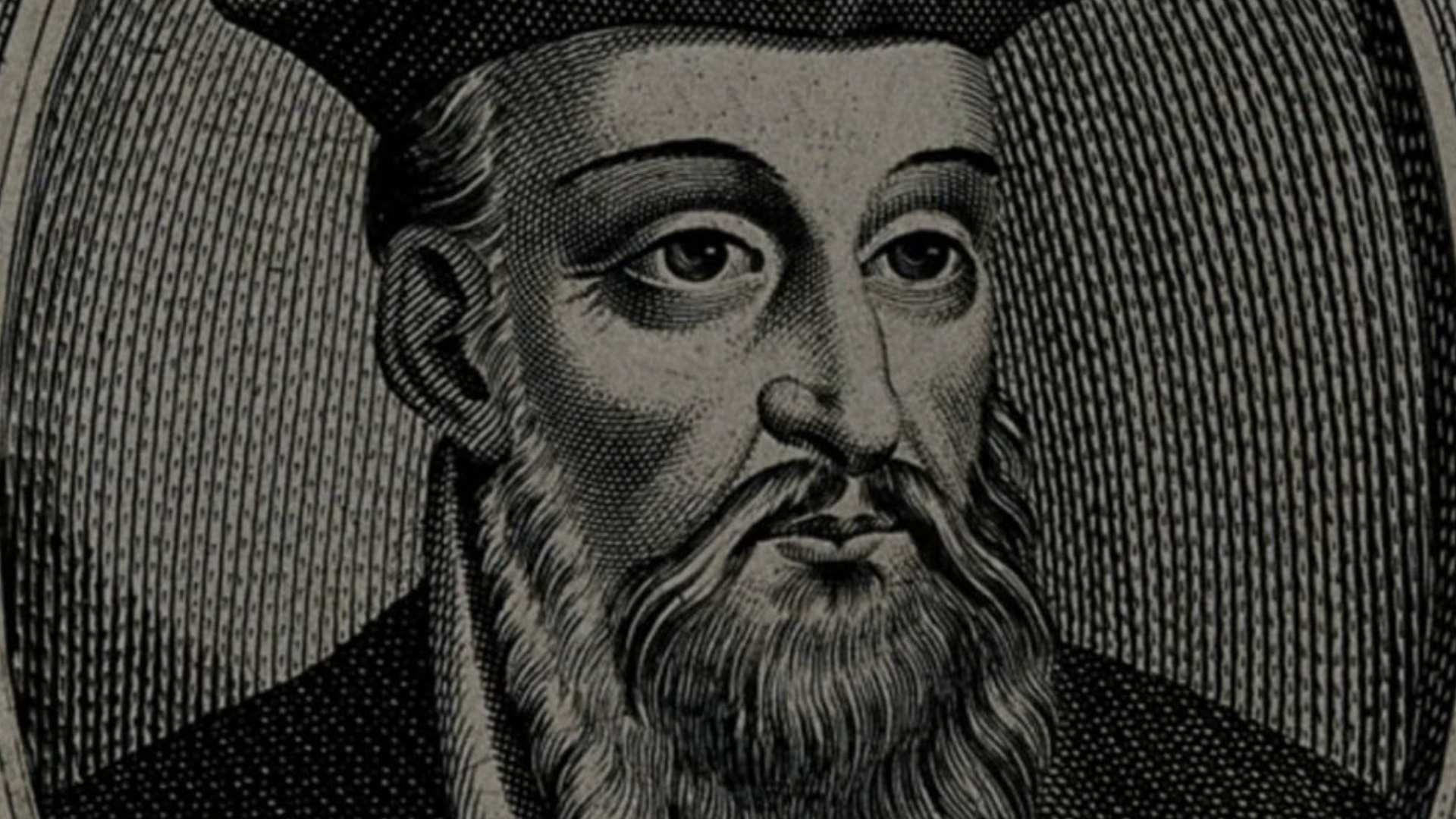
Before he became the man blamed for predicting everything from world wars to questionable hairstyles in modern politics, Nostradamus was simply Michel de Nostredame…a provincial Frenchman with a good education, a medical background, and a talent for self-reinvention.
If you have been around for around four decades, you probably remember when his name resurfaced during every major world event in the 1980s and 1990s.
Suddenly, dusty 16th-century verses were being used to explain contemporary headlines. But long before the famous Les Prophéties, there was a man navigating plague outbreaks, religious tensions, and the Renaissance equivalent of personal branding.
Let’s start at the beginning; before the quatrains, before the mystique, and before the Latin makeover.
Just a heads up, you’re in for a treat (a six-course delight let’s say). In each part, we will dig deeper in aspects of Nostradamus’s life.
So, let’s start.
A Man of the Renaissance
Nostradamus was born Michel de Nostredame in 1503 in Saint-Rémy-de-Provence, in what is now southern France. This was not a quiet era.
The Renaissance was in full swing. Printing presses were spreading ideas faster than gossip at a village market. Religious tensions were rising. And the plague was still making unpleasant return visits.
Michel’s family background was interesting. His paternal grandfather had converted from Judaism to Catholicism. This was a move that was not uncommon at the time due to social and legal pressures in France. His father, Jaume (or Jacques) de Nostredame, worked as a notary.
In other words, Michel did not grow up in poverty or obscurity. He had access to education, books, and intellectual circles.
He studied at the University of Avignon before the plague temporarily shut it down (even 16th-century universities had to deal with closures). Later, he enrolled at the University of Montpellier to study medicine.
Records from Montpellier confirm that someone named Michel de Nostredame was present, though historians debate whether he completed his degree. Academic paperwork in the 1500s was not exactly foolproof.
What is clear is that he worked as a healer during plague outbreaks. He promoted relatively progressive hygiene practices for the time, such as fresh air, clean water, and removal of infected bodies, rather than relying solely on bloodletting.
This doesn’t make him a miracle doctor, but it does place him within the more practical end of Renaissance medicine.
The Name Change – From Nostredame to Nostradamus
At some point, Michel de Nostredame began signing his published works as “Nostradamus.” This was not a mysterious occult transformation. It was a fairly common Renaissance practice.
Scholars and physicians often Latinised their names to align themselves with the intellectual tradition of classical antiquity. It signaled education and seriousness.
Desiderius Erasmus did it. Philippus Aureolus Theophrastus Bombastus von Hohenheim rebranded himself as Paracelsus. Compared to that, Nostradamus was practically modest.
Latin was the language of scholarship across Europe. Publishing under a Latinised name made one’s work sound authoritative and international. “Michel de Nostredame” sounds local and French. “Nostradamus” sounds like someone who owns a globe and possibly predicts eclipses.
It was branding, Renaissance edition.
Before the Prophecies – Almanacs and Astrology
Before the famous Les Prophéties, Nostradamus gained attention through annual almanacs. These were wildly popular in the 16th century. Think of them as the original farmer’s calendar crossed with mild political forecasting.
In 1550, he began publishing almanacs containing weather predictions, agricultural advice, and short prophetic statements. They sold well. Very well.
Printing had democratized publishing, and public appetite for predictions was strong, especially during times of instability.
Astrology was not considered fringe nonsense in his era. It was intertwined with medicine, astronomy, and politics. Universities taught it. Royal courts consulted it. So when Nostradamus wrote predictions based on astrological configurations, he was not operating in a candle-lit basement muttering about the end times. He was participating in mainstream intellectual culture.
His growing popularity eventually led to the publication of Les Prophéties in 1555…the collection of cryptic quatrains that would secure his long-term fame.
Myth vs. Man
By the time Les Prophéties appeared, Nostradamus had already experienced significant personal upheaval. His first wife and two children died, likely during a plague outbreak.
Now remember, documentation is sparse, and historians disagree on details, but the loss appears genuine. He later remarried and had six more children.
This is important for perspective. He was not born as a robed mystic issuing apocalyptic warnings from infancy. He was a husband, father, and working professional navigating epidemics and economic uncertainty, which, if we are honest, sounds familiar to many of us over 40.
The mystique grew later.
After he died in 1566, interpretations of his quatrains multiplied. Their deliberate ambiguity made them endlessly adaptable. When major events occurred, readers retrofitted meaning into verses written decades earlier.
This process, called postdiction, is powerful. Once someone tells you a line predicts something, your brain starts cooperating.
Modern historians remain cautious. There is no solid evidence that Nostradamus possessed supernatural foresight. What he clearly possessed was:
- A solid education
- Access to classical and biblical sources
- Knowledge of astrological tradition
- A sharp sense of what would sell
That combination can take you far…in the 1500s and today.
The Origins of the Legend
Much of what circulates about Nostradamus’ early life is built on later biographies, hearsay, and embellishment. Contemporary documentation is limited. Even basic facts, such as details of his education and early medical career, contain gaps.
This does not mean he was a fraud. It means he lived in a time when record-keeping was inconsistent, and biography often blended admiration with imagination.
The legend grew because his writing style invited it. The quatrains are vague, symbolic, and multilingual. They draw from classical history, biblical imagery, and contemporary politics. That ambiguity allows each generation to find its own reflection in the verses.
And that is perhaps the real genius of Nostradamus. Not prophecy, but durability.
A Man of His Time
Before we move into debates about plagiarism, influences, and manuscript mysteries in future installments, it’s worth grounding ourselves here.
Nostradamus was:
- A Renaissance-educated man
- A medical practitioner during plague outbreaks
- An astrologer operating within accepted intellectual norms
- A successful publisher of almanacs
- A man who Latinised his name to enhance credibility
Not a wizard. Not a time traveler. Not a supernatural oracle hovering above history.
Just a man…clever, ambitious, and very aware of his era.
For readers who lived through decades of dramatic headlines accompanied by “Nostradamus predicted this!” television specials, it may be oddly comforting to know that the story begins not with thunderbolts and visions, but with education, entrepreneurship, and a smart rebrand.
In the next part of this series, we will explore the role of his father and the persistent claim that manuscripts from traveling fairs may have shaped, or even supplied, some of the prophetic material attributed to him.
Because if there’s one thing history teaches us, it’s this: behind every legend, there’s paperwork. Or at least the lack of it.
So, stick around, and read the next part: “The Father Factor: Did Nostradamus’ Dad Help Build the Prophet?”