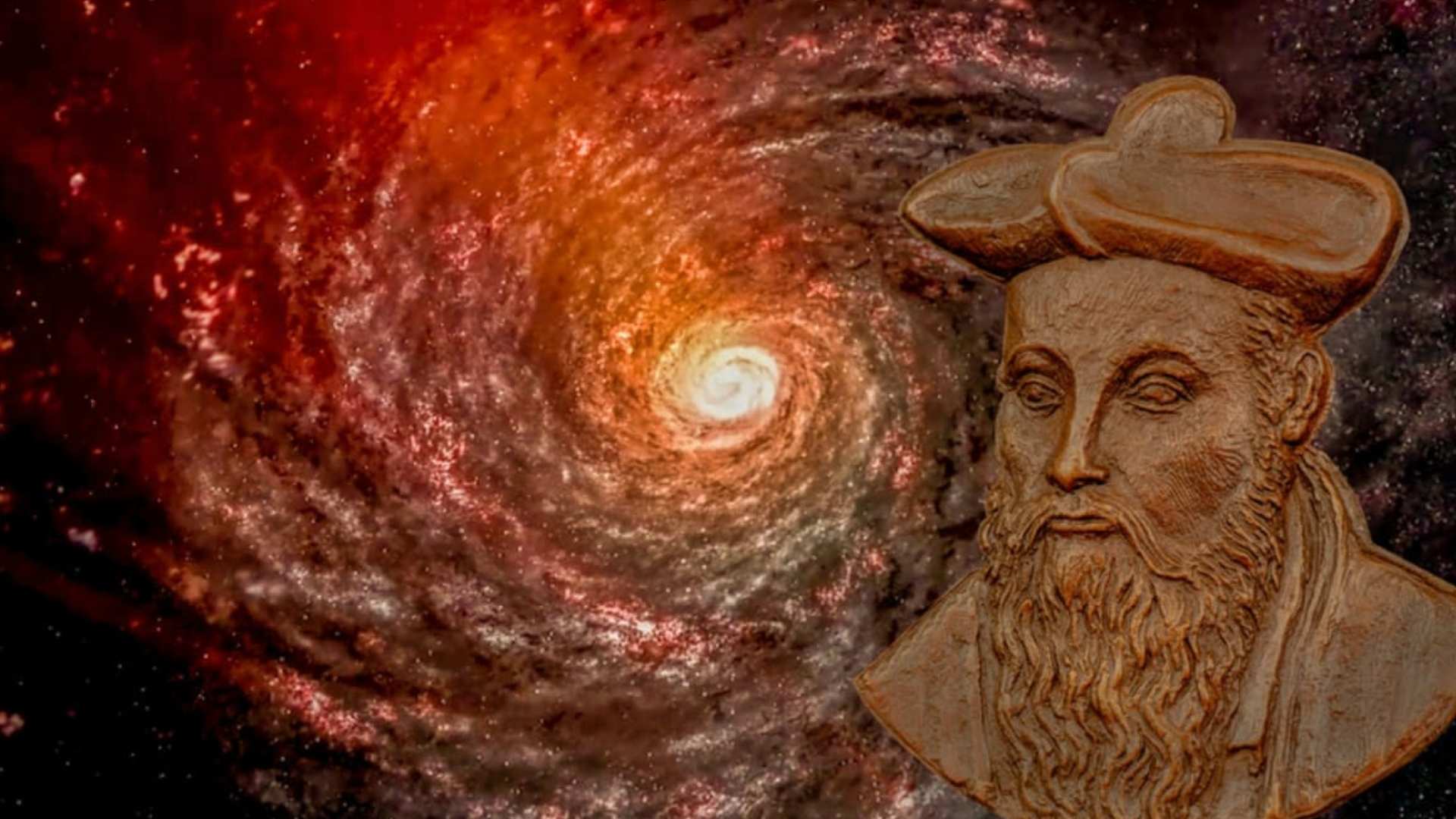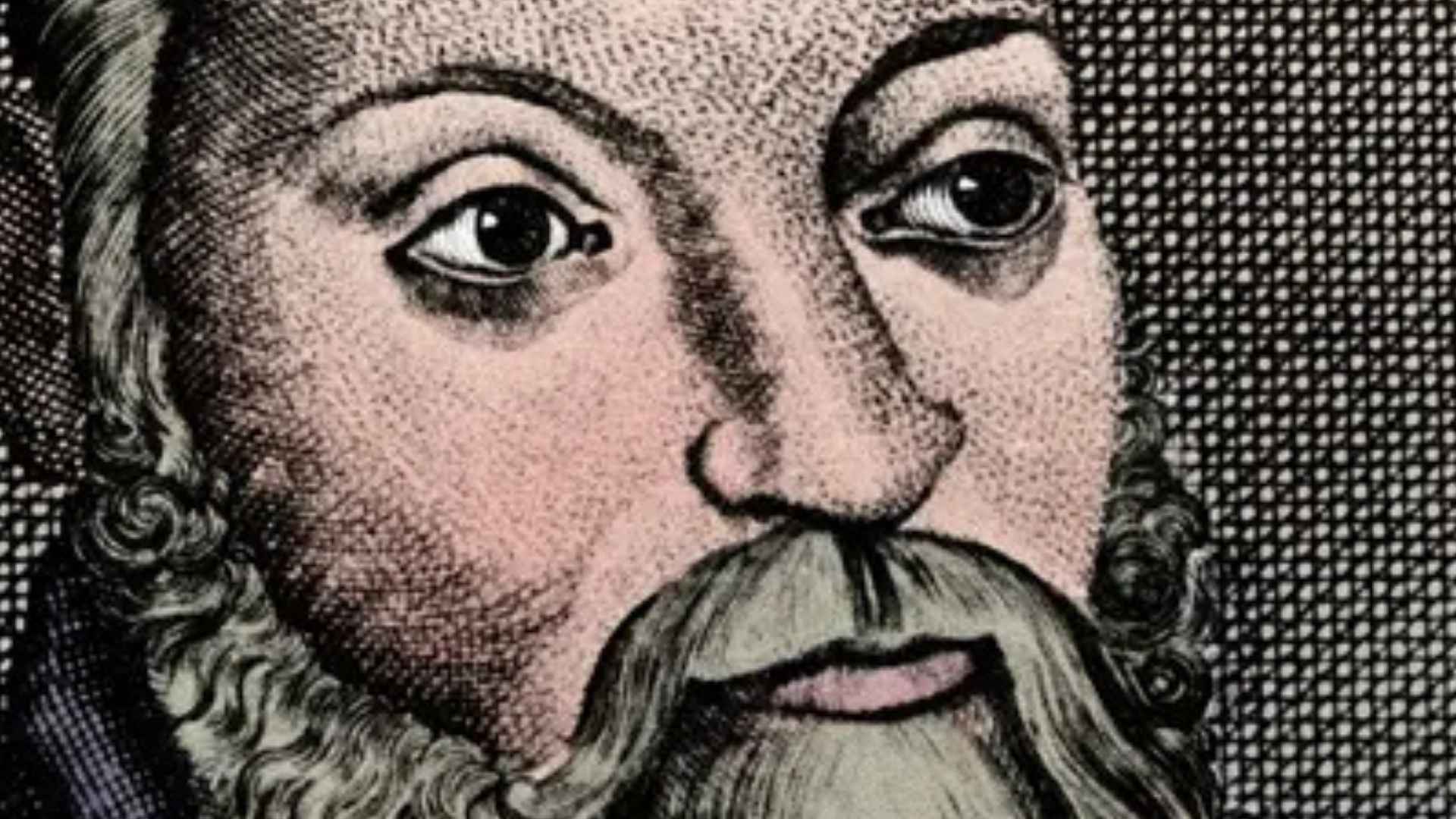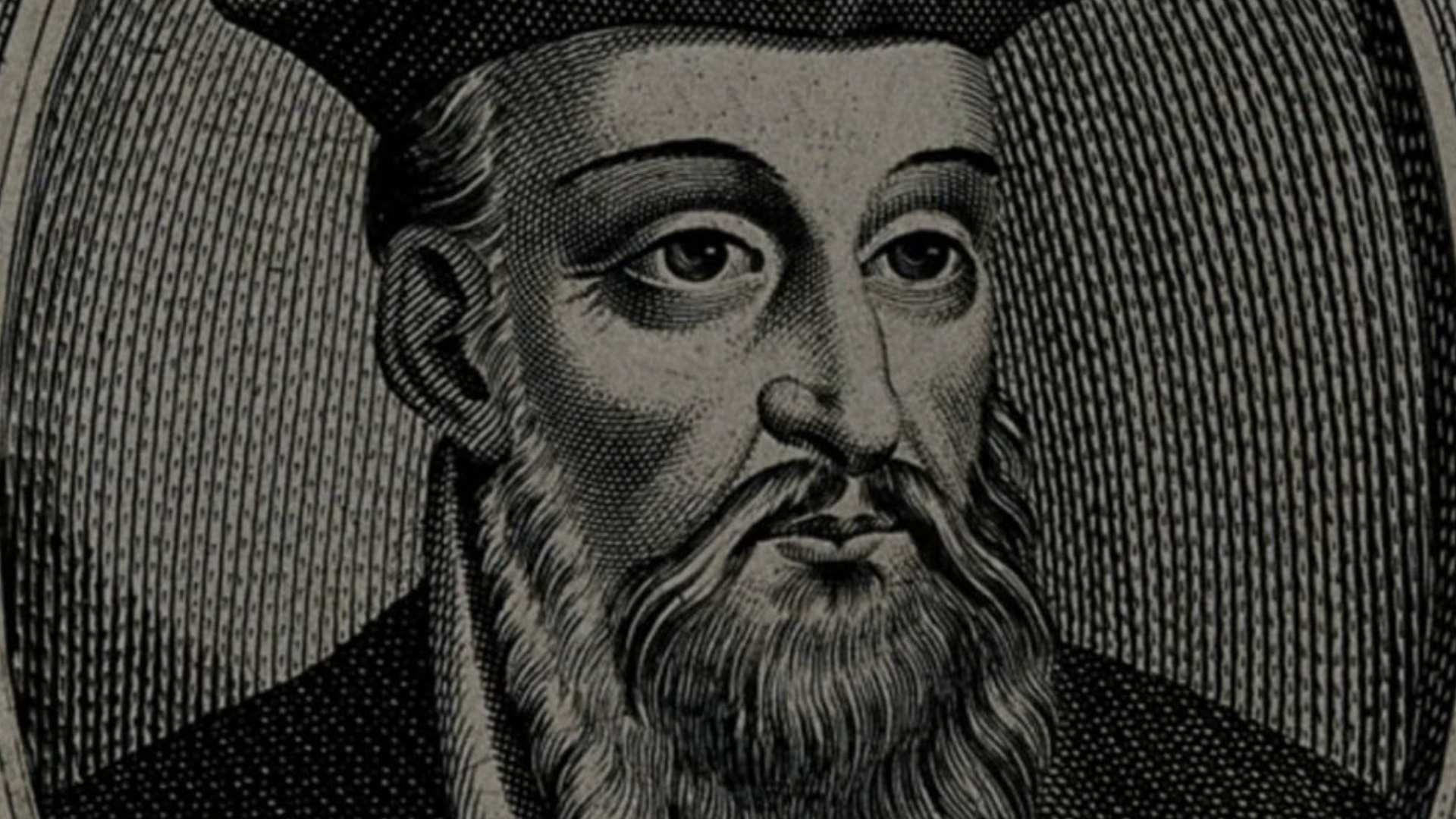
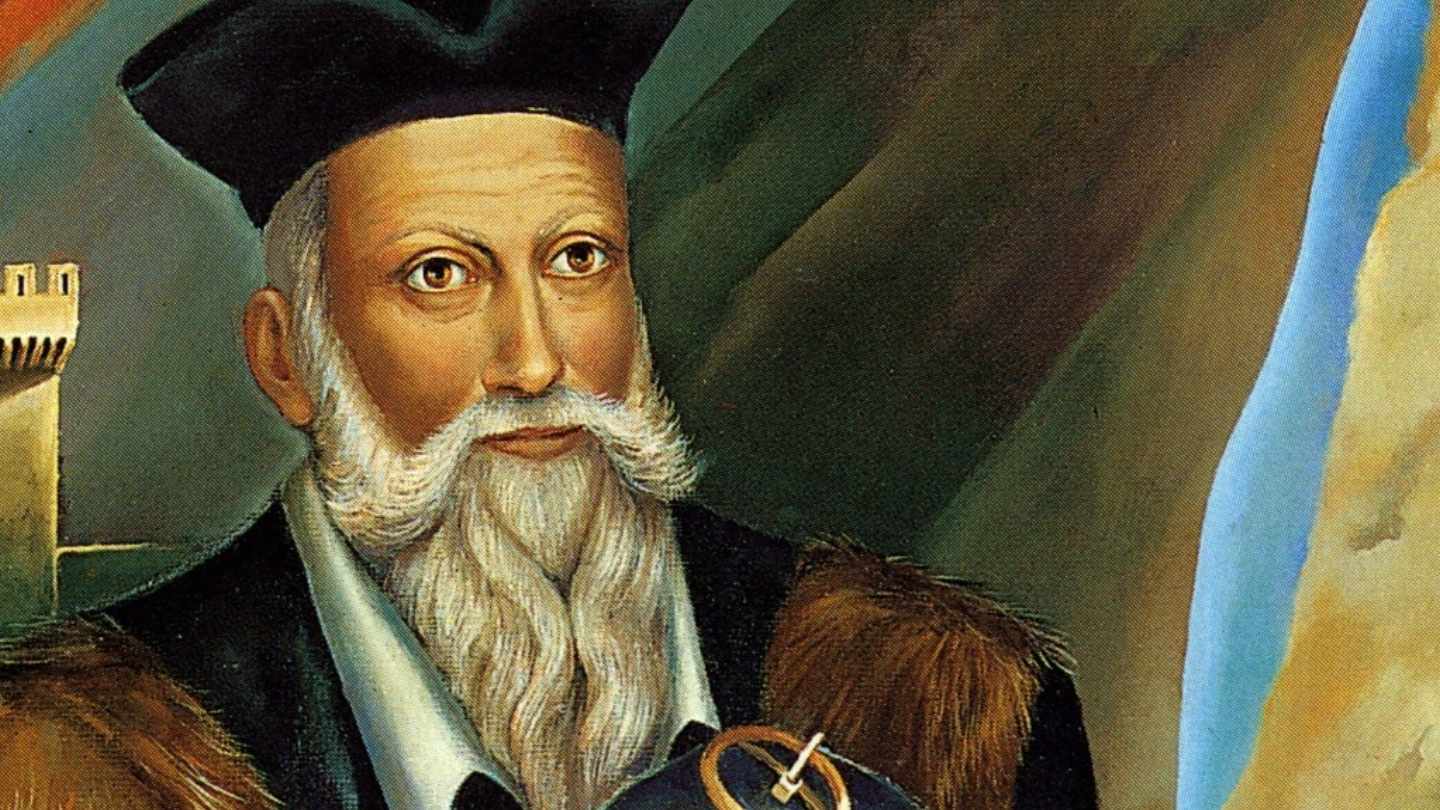
When you hear “Nostradamus,” your mind probably jumps to mysterious quatrains, prophetic verses that seem to whisper about wars, revolutions, and questionable fashion choices centuries before they happened.
But long before the fame (and fame‑related merchandise), there was a family. And in particular, a father who may have shaped more than just his son’s childhood.
Today’s question: Was Jaume (or Jacques) de Nostredame just a dad, or did he play a deeper role in building the legend of Nostradamus…intentionally or otherwise?
This part of the series peels back the parchment and examines fact, folklore, and those tantalizing suggestions that the father had a hand in curating or collecting prophetic material.
Who Was the Father?
Michel de Nostredame, later Latinised to Nostradamus, was born in December 1503 in Saint‑Rémy‑de‑Provence, southeastern France. His father was Jaume (or Jacques) de Nostredame, a notary and grain dealer with a comfortable enough life to support a large family.
Jaume was one of several siblings and ensured Michel grew up among at least nine children. Importantly, Jaume’s family had converted from Judaism to Catholicism a generation before Michel was born. This was a social adaptation common in late‑15th‑century France, where religious identity could influence opportunity.
That’s about all solid history agrees on. Jaume was a notary and business owner. He was not a wandering mystic, a grand alchemist, or (sadly) an ancient librarian hiding secret scrolls under floorboards.
But that hasn’t stopped stories from swirling.
Rumours, Myths, and the Manuscript Trail
Here’s where things get juicy…and by juicy, I mean historical speculation mixed with a dash of Renaissance‑era marketing.
Over the centuries, various writers and commentators have suggested Jaume may have collected or purchased manuscripts, possibly at local fairs or markets, containing predictions or esoteric writings from other thinkers.
The idea is that these manuscripts then found their way to Michel, who supposedly transcribed, adapted, or rewrote them under his own name.
Is there tangible evidence of this?
No. None that hold up in serious historical scholarship.
What exists instead are hearsay, later accounts, and suggestive tradition rather than documented proof. That’s a key distinction you’ll want to remember as we unpack this topic. It’s intriguing, but not historically verified.
No credible mainstream academic source states definitively that Jaume bought prophetic manuscripts for Michel to rebrand. Most records about the father describe his official duties and family life, not clandestine book deals at village fairs.
So where does the idea come from?
Why This Story Keeps Coming Up
There are a few likely reasons:
- The Myth‑Friendly Nature of Nostradamus’ Work:
Les Prophéties was written in cryptic quatrains, indirectly referencing historical and classical sources. Because the prophecies read like a puzzle, it’s natural for storytellers to imagine secret sources behind them.
- A Lack of Solid Early Records:
For the 1500s, records can be thin, spotty, or simply lost. When gaps exist, imaginations tend to fill them. It’s human nature to fancy secret notebooks hidden in attics where none existed.
- Later Family Accounts:
Nostradamus’ family, especially descendants, sometimes produced accounts of his life that were more hagiography than history, perhaps embellishing achievements and glossing over uncertainties. Some commentators suggest family lore may have exaggerated Jaume’s influence for prestige.
- Popular Culture:
Modern writers and creators (especially in the world of pseudoscience or fringe history) love a good “secret origin” story. That multiplies rumors far beyond what evidence supports.
All of this has created a narrative cocktail that sounds plausible to many and entertaining to all.
What We Do Know About Jaume’s Influence
We can be confident about a few things:
1. Jaume Provided Stability and Education
Being a notary in Renaissance France meant access to paperwork, literacy, and community respect. Michel would have grown up in an environment where words mattered, and legal documents were part of daily life, an unusual start for many in that era. That likely helped him develop an early appreciation for writing, language, and documentation.
Most biographical sources agree that Michel was well‑educated for his time, eventually studying Latin, Greek, and Hebrew…all useful as he later compiled almanacs and prophecies.
That foundation was almost certainly supported by his family’s relative comfort.
2. The Name Change Itself Was Not Magical
The surname “de Nostredame” was already in the family before Michel’s birth. His grandfather adopted it upon conversion to Catholicism, influenced by the veneration of the Virgin Mary – Notre Dame (“Our Lady”).
Michel’s later Latinisation to Nostradamus was a scholarly choice, not a mystical one, intended to enhance his reputation among educated readers.
This shows family legacy mattered, but not in a mystical manuscript‑sharing way.
3. There’s No Historical Record of Fairs or Manuscript Trading
The idea that Jaume traveled to fairs or markets expressly to acquire prophetic manuscripts is not supported by primary documentation. No letters, contracts, notarial records, or archival materials from the era substantiate that story. That doesn’t make for good clickbait, but it does mean historians treat such tales with healthy skepticism.
In fact, most scholarly biographies and encyclopedias focus on Michel’s own writings, medical work, and astrological tradition, rather than claiming pre‑existing prophecies were funneled through his father.
Place This Rumour in Context
We live in an age where many want hidden origins, including secret tomes, undiscovered manuscripts, and conspiracies beneath old cobblestone streets.
When we look back to Renaissance Europe, a time of mystical belief and emerging science, it’s easy to blend lore with history.
But it’s worth remembering that:
- There is no reputable evidence that Jaume de Nostredame trafficked in prophetic manuscripts at fairs.
- Most credible historians treat Nostradamus’ prophetic work as a product of his time and intellectual context, drawing from classical, religious, and astrological traditions rather than secret deals.
- Rumours about lost sources and family involvement are part of the legend, not the verified historical record.
If anything, the father’s role was not in feeding Michel secret parchments, but in giving him the social position and education to become a literate thinker, even if later interpretations turned him into something more mythic.
So What Should We Believe?
Here’s a safe, summarised take:
- Jaume de Nostredame existed and was a notary and grain dealer.
- He provided the family background and early environment for Michel.
- His grandfather’s conversion and name change gave the family a Christian identity, which matters for explaining Michel’s path.
- There’s no historical proof that he procured prophetic manuscripts for Michel at fairs.
- The idea that his father “built the prophet” by handing him pre‑written prophecies is not supported by credible evidence.
So Why Keep Talking About It?
Because stories like this pop up when facts are sparse, and fascination is high.
Nostradamus’ quatrains are vague by design, and that invites speculation. When people can’t fully explain something, they fill the gaps with colourful possibilities, even if those possibilities never show up in archival records.
And as long as people cling to mystique, rumours about how prophecies were composed will keep swirling, much like interpretations of the verses themselves.
In the next part of this series, we’ll dig deeper into the sources and inspirations behind Nostradamus’ quatrains, including the claim that he drew on multiple earlier thinkers and works, possibly including an Italian monk and others.
Because if there’s one thing more entertaining than hidden manuscripts, it’s hidden intellectual influence without hidden parchments.