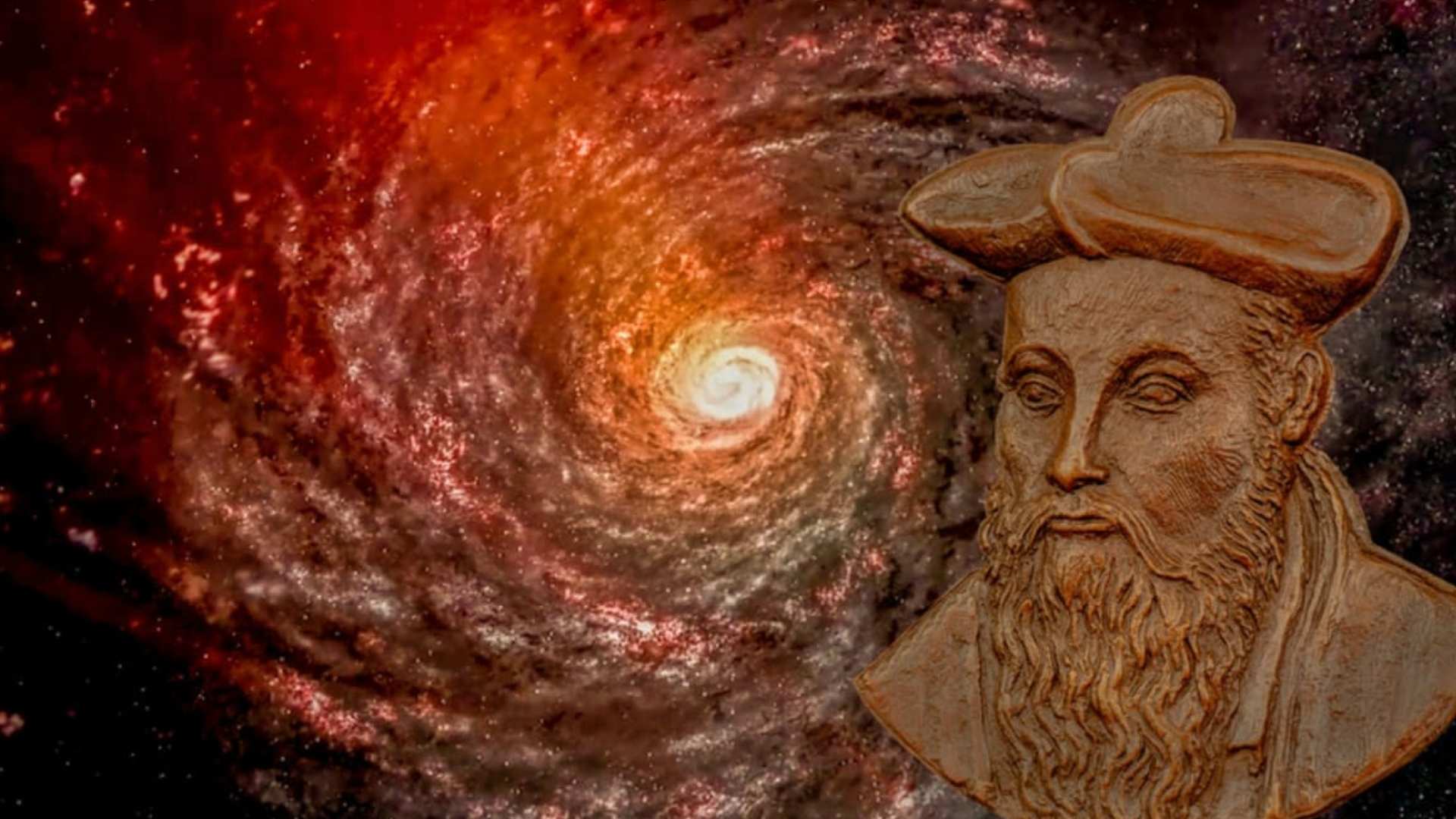
When we think of Nostradamus, most of us picture hooded figures, cryptic verses, and predictions that seem tailor‑made for every crisis the world has ever faced.
What we don’t usually picture is a Renaissance‑era apothecary tinkering with rose petals and herbs in a dusty Provencal study while murmuring into a bowl of water.
So today we’re tackling a fascinating slice of the legend: was Nostradamus somehow chemically aided in his visions? Did the famous seer rely on strange concoctions, trance‑inducing techniques, or medicinal herbs that might, to a modern mind, seem a bit…psychedelic?
Let’s dig in, without ever losing sight of what historians actually know versus what’s speculation, legend, and pure folklore.
From Plague Doctor to Visionary
Before Nostradamus became famous for Les Prophéties, he was known as a healer amid the chaos of plague outbreaks in 16th‑century France.
He wasn’t your average blood‑letting medieval quack, though. He promoted cleanliness, fresh air, and diets low in animal fats instead of the typical slathering of leeches and mercury‑based potions. His methods may have helped some patients more than many of his contemporaries’ did.
Most famously, he created what came to be known as the “rose pill”, a herbal lozenge made with ingredients like rose petals and other botanicals.
While it wasn’t a miracle cure, the rosehips in the mixture contain vitamin C, which may have offered some real health benefits compared with the standard treatments of the time.
What we do know is well‑documented. Nostradamus employed real‑world remedies and emphasized hygiene, which in itself was progressive, and likely spared many from the worst effects of infection.
But what about the visions…those moments when, according to legend, he supposedly glimpsed into the future?
The ‘Vision Bowl’ and Trance States
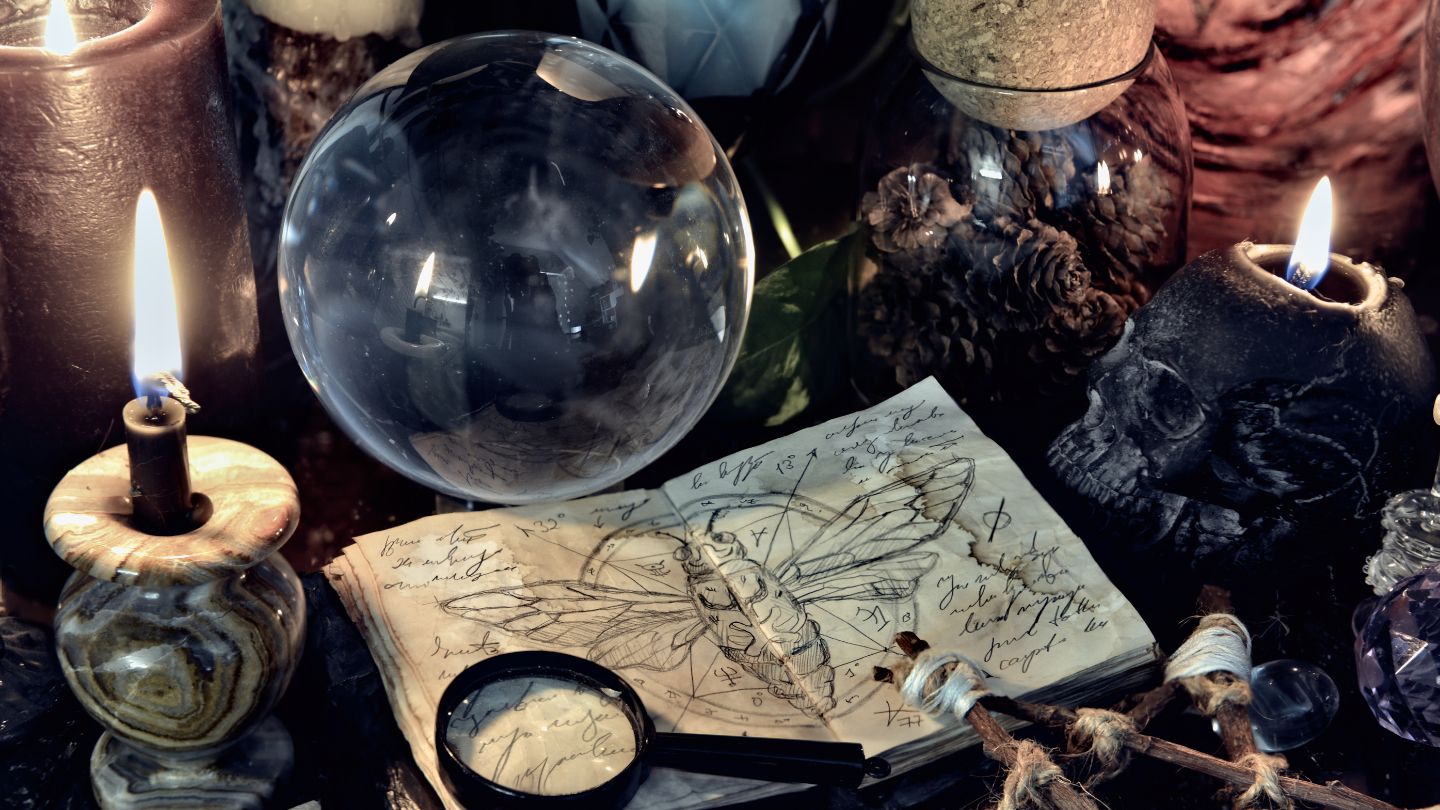
Some accounts (especially later, less academic ones) describe Nostradamus sitting late at night in his study, gazing into a bowl of water mixed with herbs and incense, waiting for visions to emerge.
The idea is similar to scrying, a practice found in many cultures where a reflective surface (like water or a mirror) is used to induce altered states of awareness.
In the Renaissance, scrying, astrology, and other mystical practices were not unusual. They often blended spiritual belief with intellectual curiosity. For practitioners like Nostradamus, who lived in a world without modern neurology or psychology, such techniques might have seemed like legitimate means to access hidden knowledge.
But before you start picturing him with ancient psychotropic tea, there’s a key point:
there’s no credible historical evidence that Nostradamus ingested psychoactive drugs to induce visions.
The popular image of him as some herbal‑fueled psychic seer primarily comes from modern speculation and sensationalized accounts, not from contemporaneous records.
In short: he might have practiced scrying or meditation, but there’s no reliable documentation showing he used substances meant to alter consciousness in the way today we think of “being high.”
Herbs, Medicine, and Misinterpretation
One reason these rumors persist is that in the Renaissance, many medicinal herbs had effects that might seem unusual to modern observers, and different herbs were commonly used together in remedies.
For example, plants like calamus were included in some recipes for their aromatic properties and mild sedative effects.
That said, including a mildly sedative botanical in a medicine doesn’t mean Nostradamus was trying to get trippy. It just reflects the pharmacological knowledge and medical culture of his time. Herbalists across Europe used similar plants to manage symptoms, pain, and anxiety long before modern pharmacology existed.
So, when you hear dime‑store claims like “Nostradamus ate buckets of psychedelic nutmeg to see the future,” beware! There’s no historical source backing that up.
Those are later, speculative interpretations rather than documented fact.
Trance or Focus? How ‘Visions’ Might Have Happened
If not drugs, then how did Nostradamus address this mystical reputation?
Here are two possibilities grounded in the context of his time:
1. Meditation and Scrying:
In a quiet study, with minimal lighting and perhaps the aroma of herbs in the air, staring into water or reflective surfaces can easily put someone in a deeply contemplative or meditative state.
People entering such states often describe rich internal experiences, which later interpreters might call “visions.”
2. Astrological Structuring:
Nostradamus was also an astrologer. His quatrains were structured around planetary alignments, celestial tables, and symbolic timing.
The process of calculating and contemplating these complex patterns could itself foster a kind of immersive thought environment that felt intensely visionary.
Neither of these requires novel drugs or mystic mind‑bending substances.
Why the “High on His Own Supply” Myth Endures
Legends grow where facts leave gaps.
Nostradamus lived before modern neuroscience, before controlled clinical trials, and before the scientific method was fully formalized. That left room for:
- Mystery. People like mysteries, especially around enigmatic figures.
- Anecdotes. Stories about trance bowls and herbal water look fascinating next to sterile medical texts.
- Conspiracy Theories. The more ambiguous something is, the more people fill in the gaps with colorful speculation.
Plus, it’s just fun to imagine a 16th‑century seer behaving like a Renaissance‑era hippie mixing potions and achieving enlightenment through herbs.
But the actual historical record doesn’t support such claims.
Instead, it paints a picture of a man whose “visions” likely came from meditation, deep immersion in symbolic and astrological frameworks, and perhaps the well‑documented human tendency to find meaning in ambiguity.
A Middle Ground – Magic, Medicine, and Mind
So was Nostradamus literally high on herbs or drugs when composing his prophecies? No solid historical evidence supports that idea.
Did he use herbal remedies and engage in practices that might have seemed trance‑like to his contemporaries? Yes.
Scrying, meditation over reflective surfaces, and herbal inhalations were part of the broad cultural mix of medicine, magic, and mysticism in the Renaissance.
This blend is probably what gave rise to the more extravagant stories about his methods. Embellishments that grew with time and imagination.
Bottom Line
Nostradamus’ visions were almost certainly not the product of psychedelic experimentation.
Rather, they were likely the outcome of:
- Meditation and symbolic contemplation
- Astrological calculation and pattern recognition
- Herbal medicine practices common at the time
- Later storytelling that romanticised the mysterious
In other words, he wasn’t “tripping on herbs”. He was working within the healing and mystical traditions of his age.
In the second last part of this series, we will explore Nostradamus’ personal life, his marriages, children, and the losses he endured. This will help us better understand the man behind the prophecies.